
What Happens to Documents After They’re Shredded?
After documents are shredded, they go through a secure, multi-step process that includes collection, controlled transport, industrial shredding, mixing, and recycling. Throughout the process, a strict chain of custody is maintained to protect sensitive information. Once complete, businesses receive a Certificate of Destruction confirming the documents were securely destroyed and compliant with data protection standards.
If you’re trusting a company to destroy sensitive information, it’s natural to wonder what actually happens once your documents leave your hands.
Where do they go? How are they handled? And how can you be sure they’re truly destroyed?
If you’re considering secure shredding services, understanding the full process can give you confidence that your information is protected every step of the way.
It Starts with Secure Collection
The process begins long before anything is shredded. Documents are placed into locked consoles or sealed bins, ensuring that sensitive information is never left exposed.
This is part of a carefully managed chain-of-custody process, designed to track and protect your documents from the moment they’re discarded to the moment they’re destroyed.
On-Site or Secure Transport
From there, documents are either shredded on-site using a mobile truck or transported to a secure facility for destruction.
Both options follow strict security protocols. On-site shredding allows you to witness the process, while off-site shredding is handled in monitored facilities with controlled access. These same processes are often used during community shred events as well as ongoing business services.
Shredding: Where Destruction Happens
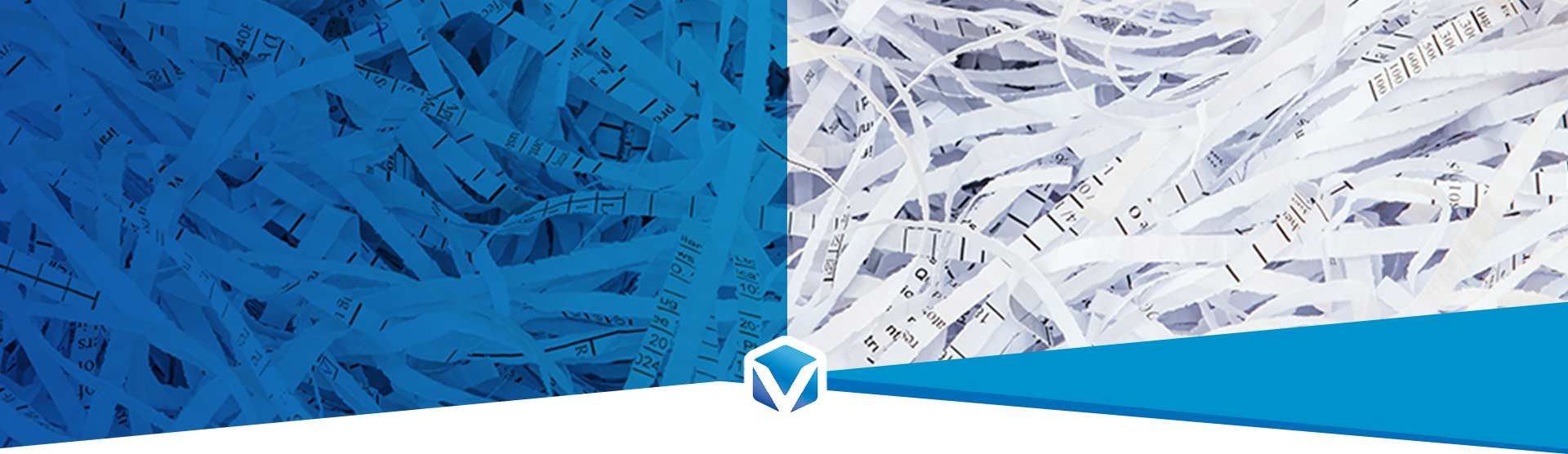
Once documents reach the shredding stage, they are fed into powerful industrial machines that reduce paper into tiny, unreadable pieces.
At this point, reconstruction is virtually impossible. For businesses handling multiple forms of sensitive data, this process is often paired with media and hard drive destruction to ensure complete data security across all formats.
Added Security Through Mixing and Compaction
After shredding, the paper fragments don’t just sit in a pile. They are immediately mixed with other shredded materials and compacted into large bales. This extra step adds another layer of protection by eliminating any chance of isolating or reconstructing a single document.
From Waste to Reuse: The Recycling Process
Once compacted, the shredded paper is sent to recycling facilities where it is processed into pulp and transformed into new paper products. This means your documents are not only securely destroyed—they’re also repurposed in an environmentally responsible way.
Proof of Destruction
After everything is complete, you receive a Certificate of Destruction confirming that your documents were securely handled and properly destroyed. This documentation is especially important for compliance, audits, and peace of mind.
So, Is Shredding Really Secure?
When handled by a professional provider, the answer is yes. From locked containers and controlled transport to industrial shredding and verified destruction, every step is designed to protect your information and reduce risk.
If you’re evaluating your options, you may also want to explore one-time vs scheduled shredding services to determine the best fit for your business.